

Weekly Report

Bitumen vs Asphalt: Key Differences Explained for Importers

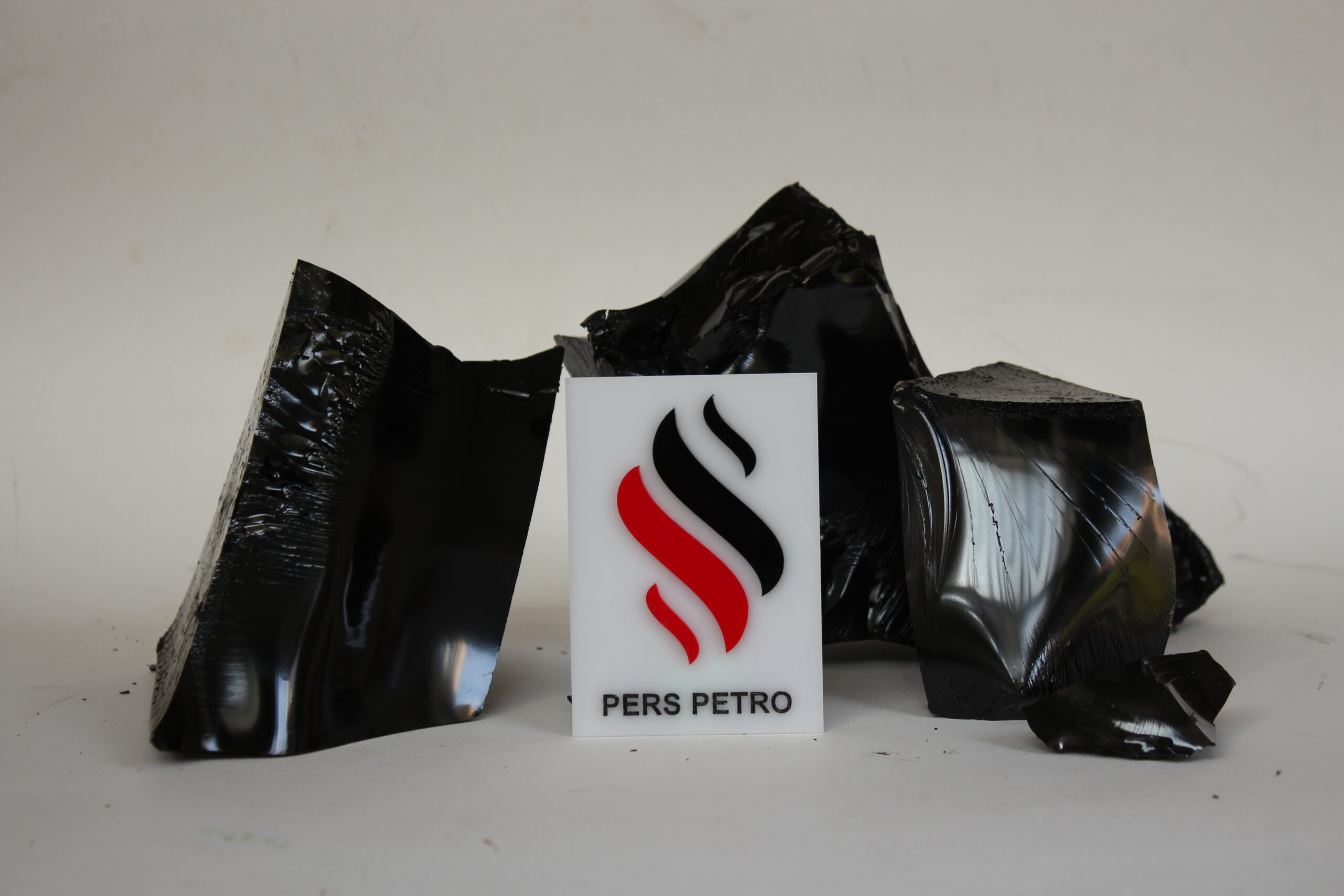
Bitumen vs Asphalt: Why the Difference Matters

Bitumen vs Asphalt: Why the Difference Matters
In international trade and construction projects, the terms bitumen and asphalt are often used interchangeably. However, they are not the same material, and understanding the difference is essential for importers, contractors, and project managers.
Choosing the wrong term or product can lead to specification errors, project delays, or financial losse.

What Is Bitumen?

Bitumen is a black, viscous hydrocarbon material obtained from crude oil refining. It is mainly used as a binder due to its strong adhesive and waterproofing properties.
Bitumen is the raw binding material used to produce asphalt mixtures.

Common Uses of Bitumen

What Is Asphalt?

Asphalt (also called asphalt concrete) is a mixture of bitumen and mineral aggregates such as sand, gravel, and crushed stone.
In simple terms:
Asphalt = Bitumen + Aggregates
Asphalt is produced in asphalt plants and applied mainly as pavement for roads, highways, and airport runways.

Common Uses of Asphalt

Key Differences Between Bitumen and Asphalt

Feature

Bitumen

Asphalt

Composition
 
Pure hydrocarbon binder
 
Bitumen + aggregates
Form
 
Semi-solid or viscous liquid
 
Solid pavement mixture
 Main Use
 
Binding & waterproofing
 
Road surfacing
Trade Form
 
Drums, bulk, jumbo bags
 
Applied on-site
Export
 
Yes (international trade)
 
No (local production)

Which One Is Exported Internationally?

For international buyers and importers, bitumen is the product traded across borders, while asphalt is manufactured at the destination country using locally available aggregates.
This is why most contracts and specifications in global trade refer to bitumen grades, not asphalt.

 Why Importers Must Specify “Bitumen” Correctly

Incorrect terminology may cause:
Always specify:

Bitumen vs Asphalt in Road Construction

Bitumen provides:
Asphalt benefits from:
Both materials work together, but they are not interchangeable products.

Conclusion

 
Both materials work together, but they are not interchangeable products.
Conclusion
Bitumen and asphalt serve different roles in construction and infrastructure projects. Bitumen is the binding material exported and traded internationally, while asphalt is the finished pavement product produced locally. Understanding this difference helps importers avoid costly mistakes and ensures compliance with technical specifications.
 

Contact PersPetro for technical details and export prices of Iranian bitumen

Leave a Reply

Your email address will not be published. Required fields are marked *